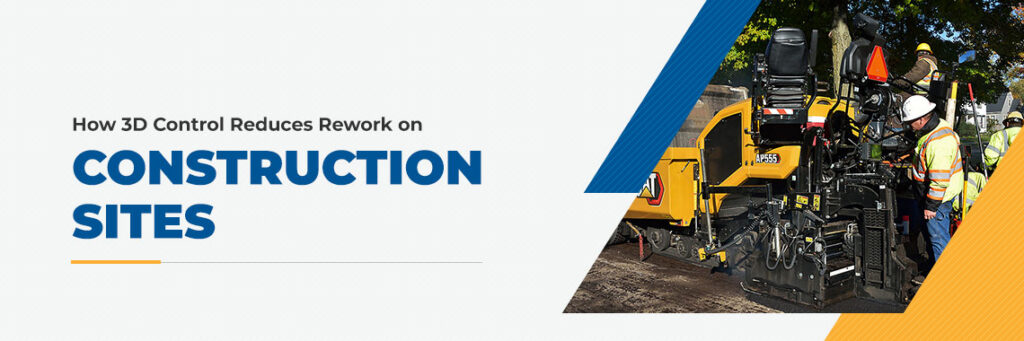
How 3D Machine Control Reduces Rework on Construction Sites

Manual inspections often allow grading errors to compound before crews detect variances. The result is extra equipment hours, wasted materials, added labor, and schedule disruptions—all of which reduce profit margins and strain client relationships.

Construction QA/QC technology connects design data with grade control to confirm elevations in real time. When supported by accurate calibration and proper setup, 3D machine control improves first-pass accuracy and reduces reliance on estimates and manual stake checks.
Read more


Comparing LiDAR and Photogrammetry for Earthwork Accuracy, Cost, and Workflow

Drone surveying promises speed and efficiency, yet many fleet managers face choice paralysis. Should you invest in accessible photogrammetry systems or pay a premium for LiDAR (Light Detection and Ranging) sensors? While the decision is often driven by cost, it ultimately comes down to physics.

Comparing LiDAR and photogrammetry for earthwork accuracy, cost, and workflow comes down to one key difference—active measurement versus passive imaging. One captures structure; the other captures surface.

Read more

Calculating Construction Technology ROI for Renting Versus Buying Equipment

Few decisions impact project margins as directly as equipment strategy. Whether expanding a fleet or adopting new construction technology, ROI is a valid concern. Contractors are under pressure to control spending while keeping operations flexible, productive, and competitive. That’s why calculating construction technology ROI for renting versus buying equipment is critical for modern planning.

The rent-versus-buy debate isn’t new, but today’s technology adds a new layer to the equation—one worth exploring.
Read more

Choosing the Right Machine Control for Every Project Type

Tight tolerances, faster schedules, and rising operating costs have made precision technology a requirement. Choosing the right machine control solution for every project type has become one of the most important decisions contractors and site managers make today.

The right control solution improves accuracy, reduces rework, supports consistent results across crews, and helps projects stay on schedule. The wrong choice can slow production, complicate workflows, and limit return on investment.

It is now critical to understand how different project types align with specific control solutions—and which evaluation criteria matter most before making a decision.

Read more

How Automated Data Collection Is Transforming Construction Workflows

Construction generates more information than ever before, and the challenge is no longer how much data exists, but how quickly and accurately it can be captured, shared, and acted on. Replacing manual capture methods with automated, connected digital tools allows teams to reduce errors, shorten feedback loops, and gain a clearer picture of what’s happening in the field—without slowing work down.

This shift is redefining how projects are planned, executed, and documented from start to finish.

Read more

Turning Your Existing Equipment Into a Land Surveyor

In construction and earthworks, the ability to accurately and efficiently shape the land according to the planned design is what separates a successful project from a costly one. Traditionally, achieving this precision meant relying heavily on survey crews and manual staking. While effective, this process is time-consuming and prone to interruptions.

What if your heavy equipment could become an extension of your survey team, capturing data and guiding operations with pinpoint accuracy in real time? That capability is the power of transforming your equipment into a land surveyor.

Read more

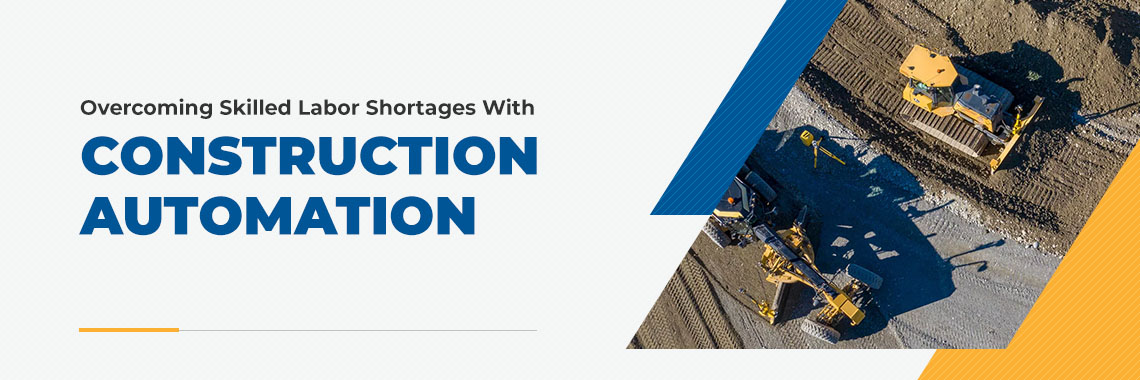
Overcoming Skilled Labor Shortages With Construction Automation

Every construction leader knows how tough it’s become to keep projects fully staffed. It’s not a lack of dedication or skill — the workforce simply isn’t growing fast enough to match the workload. While this reality can be frustrating, it’s also sparking a major shift in how contractors approach their operations.

Below, we explore the value of construction automation in combating labor shortages, and how to start integrating it in a practical way.

Read more

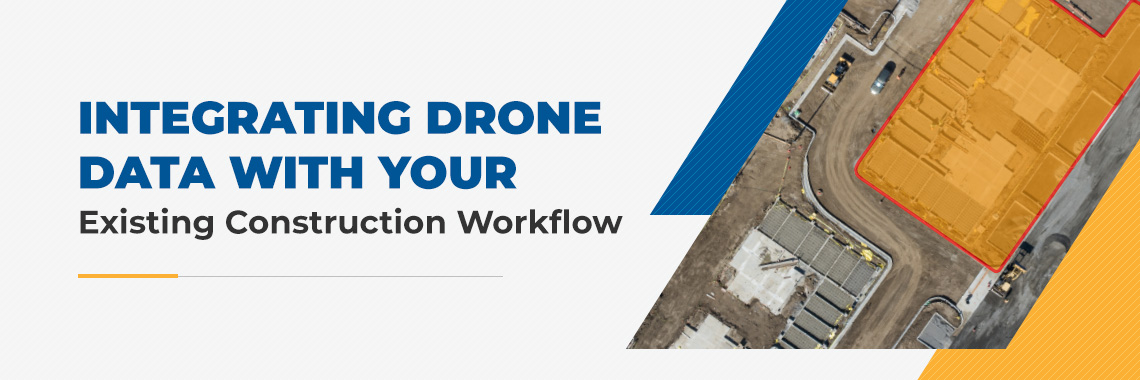
Integrating Drone Data With Your Existing Construction Workflow

Drones are central to improvements in project safety, speed and efficiency. Their aerial data offers clear and comprehensive views that replace guesswork with timely, accurate insights, resulting in measurable gains in quality and productivity.

Learn how to integrate drone-captured data into current workflows, from initial site evaluation and planning to coordination, progress tracking and final reporting, so you can reduce risk and control costs, ultimately delivering enhanced outcomes.

Read more

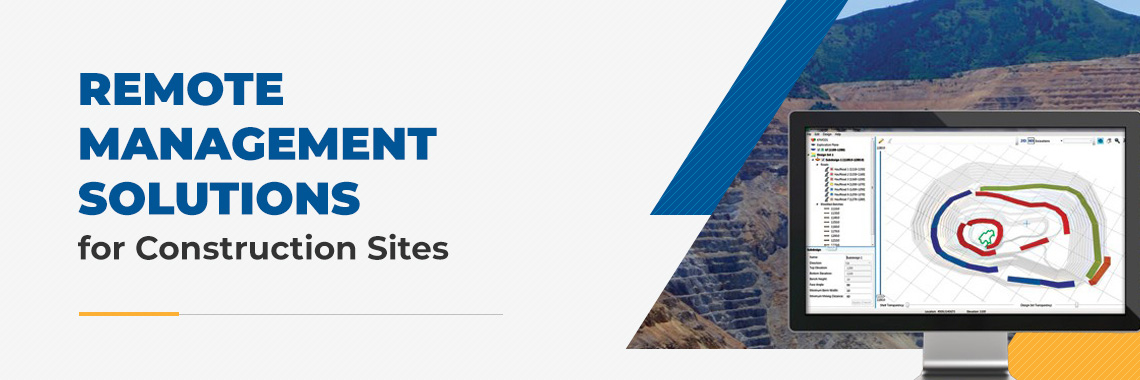
Remote Management Solutions for Construction Sites

Today’s construction projects have more moving parts than ever. Multiple crews, expanded equipment fleets and tight deadlines create issues that outdated management strategies struggle to handle. Large-scale jobs often require coordination between dozens of contractors, subcontractors and equipment operators working across a wide area. The complexity of managing these projects with conventional methods can lead to communication breakdowns, costly delays and budget overruns that can threaten a project’s success.

Construction companies are increasingly implementing remote management technology, allowing supervisors and project managers to oversee operations from anywhere with an internet connection. These digital solutions provide instant visibility into project progress, equipment status and team activities without constantly being present on the jobsite. As more businesses discover the benefits of these solutions, the more the popularity of these platforms continues to grow.

Read more